
Introduction
Mental health is just as important as physical health: yet many people still hesitate to seek help due to stigma.
Whether it’s anxiety, depression, stress, addiction, or other emotional challenges, reaching out to a mental health professional can be life-changing. However, fear of judgment, shame, or cultural beliefs often prevent individuals from taking that first step.
In this blog, we’ll explore mental health stigma, its different types, how it affects people, and most importantly, how to overcome stigma and feel confident seeking counselling.
What Is Mental Health Stigma?
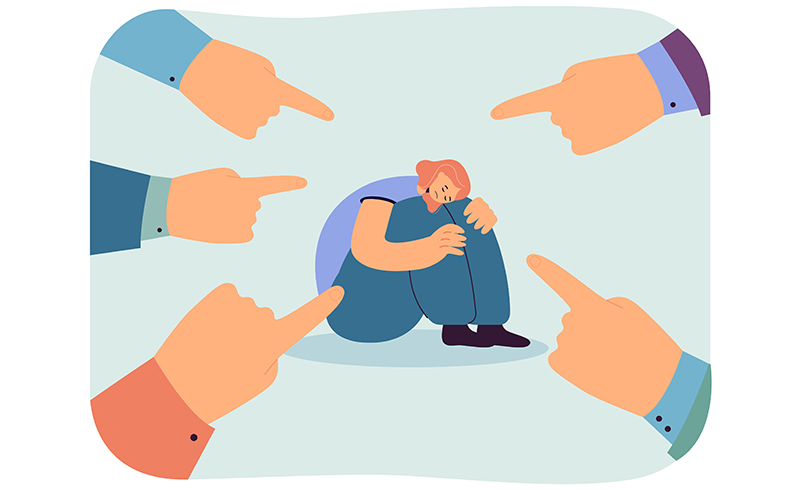
Mental health stigma refers to negative beliefs, attitudes, or judgments toward individuals experiencing mental health conditions.
Instead of being understood, people are often labeled, misunderstood, or treated differently. This can lead to silence, avoidance, and a reluctance to seek professional help.
Types of Mental Health Stigma
Understanding the types of stigma can help you recognise and challenge them:
1. Public Stigma
Society’s negative attitudes or stereotypes about mental health.
2. Self-Stigma
Internalising those beliefs and feeling shame or guilt about your struggles.
3. Perceived Stigma
The fear of being judged by others—even without direct evidence.
4. Professional Stigma
Concerns about being judged or misunderstood by a therapist or counsellor.
5. Associative Stigma
Fear of being judged for supporting someone with mental health challenges.
The Impact of Mental Health Stigma
Mental health stigma can create serious barriers, including:
- Avoiding therapy or counselling
- Increased feelings of isolation and loneliness
- Low self-esteem and self-doubt
- Discrimination or social rejection
- Worsening mental health conditions
Studies show that while mental health treatments are highly effective, a large number of individuals avoid seeking help due to fear and stigma.
How to Overcome Mental Health Stigma
Breaking stigma starts with small but powerful changes in mindset and behaviour.
1. Prioritise Your Mental Health
Seeking help is a sign of strength, not weakness.
2. Talk Openly About Mental Health
Open conversations help normalise experiences and reduce fear.
3. Educate Yourself and Others
Understanding mental health reduces misconceptions and judgment.
4. Stop Hiding Your Struggles
Sharing your experiences can help you and others feel less alone.
5. Treat Mental Health Like Physical Health
You wouldn’t ignore a physical illness, mental health deserves equal care.
6. Choose Empowerment Over Shame
Your struggles do not define you, they are part of your journey.
7. Be Mindful of Language
Words shape perception. Use respectful and supportive language.
8. Support Others Without Judgment
Kindness and empathy can break stigma in powerful ways.
Why Seeking Counselling Is Important
Counselling provides a safe, confidential space to:
- Express your thoughts and emotions
- Understand your challenges
- Learn coping strategies
- Improve your overall well-being
Taking that first step toward professional help can lead to a healthier, more balanced life.
Conclusion
Mental health stigma still exists, but it doesn’t have to control your decisions.
It is not a condition: t’s a mindset shaped by misunderstanding and lack of awareness.
Seeking counselling is completely normal, and more people are doing it than ever before. You are not alone, and support is always available.

4 comments
This blog does a great job challenging the common misconception that anxiety equals weakness. I especially appreciate how it reframes anxiety as something that can be understood and managed rather than feared or hidden. One suggestion could be to include a few practical techniques or real-life examples—these would make it even more relatable and useful for readers who are struggling and looking for actionable steps. Overall, it’s a thoughtful and empowering piece that encourages a healthier conversation around mental well-being.
Thank you, Julia:) Appreciate your input. Will surely take your input and implement this to raise more awareness especially for people who are struggling.
Such an important topic—breaking mental health stigma is the first step toward a more compassionate and understanding society.Loved this! Conversations like these give people the courage to speak up and seek help.A powerful reminder that mental health deserves the same care and respect as physical health.Really appreciate this perspective—change begins when we start talking openly.
Thank you so much for these thoughtful words.
Absolutely agreed. Open conversations can truly empower people to seek support and feel less alone. Together, we can continue normalising mental health and building a more compassionate community